Sewer Line Repair for Backups, Breaks and Slow Drains
Request an estimate from a local provider
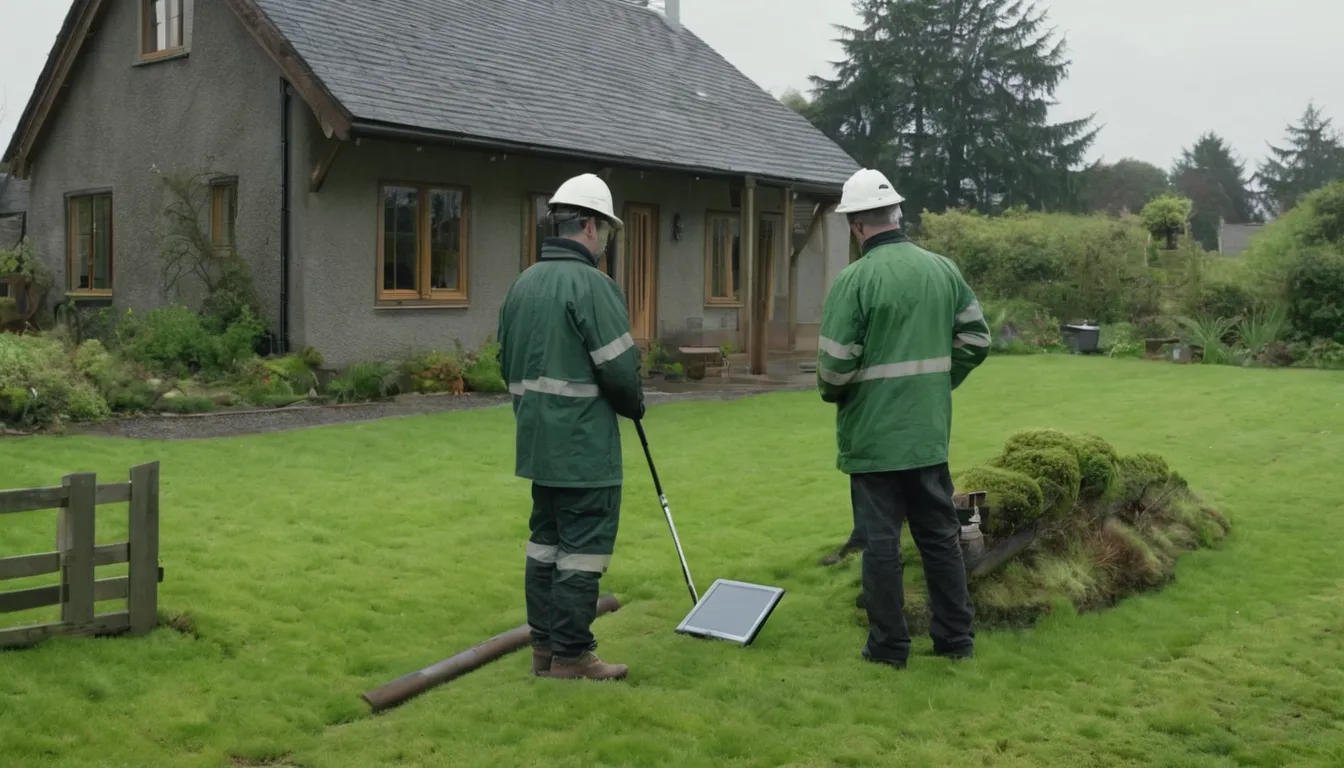
Say you come home and every drain in the house is slow. Maybe the toilet gurgles when the washer runs. That can point to a blocked, cracked or collapsed sewer line between your house and the street or tank. The pipe is buried, so you cannot see the damage. You only see the signs.
Chronicproducts Septic is a referral service. We do not dig, camera-inspect or replace pipe. We connect homeowners in the Seattle area with independent local providers in our network who do. This page walks through what happens hour by hour, what repair usually involves, what it may cost, and how to keep your photos and notes ready for estimates.
Sewer Backup? Start Here
Say you come home and the floor drain is gurgling. The shower has a gray ring of water that was not there this morning. Stop and read this part first.
A sewer line problem does not stay still. What you do in the first hour shapes how big the repair becomes.
The First Hour
Turn off the water use. That means no laundry, no dishes, no showers and no flushing. Every gallon you add has nowhere to go but up.
- Keep kids and pets away from any standing wastewater.
- Do not pour chemical drain cleaners into the line. They can harm pipe and hurt the person who works on it later.
- Start with photos of the drains, the water level and any wet floor.
Then Request a callback to check provider availability in your area.
The First Day
By evening, wastewater may creep to the low point of the house. That is often a basement drain, a bathtub or a crawl space. Damp wood, drywall and insulation start to soak it up.
Many providers can respond quickly, but availability varies. A camera look inside the pipe usually comes first. It shows whether the problem is a clog, roots, a crack or a collapse.
Days Two and Three
Damp materials begin to smell. Moisture in a wood-frame floor or a crawl space can invite mold in a few days, especially in a wet, mild climate. Fans and open windows help a little, but they do not fix the source.
If the line is cracked, wet soil can wash into the pipe. That makes the gap wider and the blockage worse.
After a Week or More
A slow leak can soften the ground under a patio, a walkway or a slab edge. Soggy patches in the yard may turn into sunken spots. Waiting does not shrink the job. It tends to add cleanup, drying and digging.
Signs of a Sewer Line Problem
Some signs are loud. Others are quiet and easy to ignore.
- Several drains slow down at once.
- Gurgling sounds from toilets or tubs.
- A sewage smell in the yard or near a drain.
- Green, spongy or unusually wet grass over the pipe path.
- Sinkholes or sunken ground.
- Frequent backups after a short break from clearing.
One slow sink is often a simple clog. Many symptoms together point to the main line.
What Damages Sewer Lines
Tree roots are a common cause. They slip into tiny joints, then grow into thick mats. Long wet seasons make roots hungry and soil heavy.
Older craftsman houses may have clay, cast iron or fiber pipe that has worn thin. Shifting soil, heavy storm runoff and fallen trees in windstorms can bend or crack a line. Grease, wipes and other items that do not break down build up inside the pipe.
How Sewer Line Repair Works
A provider usually starts with a camera inspection. A small camera on a cable travels through the pipe. It shows the damage and helps locate it.
Then the provider explains the options. Some jobs need only cleaning. Others need a repaired section, a liner or a new pipe.
Spot Repair, Lining or Replacement
A spot repair replaces one short broken section. A liner is a sleeve cured inside the old pipe, often with less digging. Full replacement removes the old line and installs a new one.
Not every pipe suits every method. Ask the provider why they picked their option.
Permits and Property Lines
Many areas require a permit for work on a sewer line. Some also require an inspection afterward. Providers in our network can usually explain what applies near you.
The pipe may cross a property line or run to a shared main. Who owns which section can affect who pays. Check with your local utility or city office before work begins.
Notes Before Estimates
Imagine a stack of papers, a few photos and a short list on your phone. That is a calm way to begin an estimate. A messy memory is not.
- Date and time you first noticed the problem.
- Photos of drains, wet areas, stains and the yard.
- Any earlier clearings, receipts or repair notes.
- A rough map of where the cleanout sits, if you know.
Insurance Conversations
Some policies may cover sudden damage, but many exclude wear, roots and slow leaks. Check your policy and ask your insurer directly. Providers can often help document damage for a claim, such as with camera footage and written findings.
Keeping Your Sewer Line Healthy
Flush only toilet paper and waste. Keep grease out of drains. Know where your cleanout is and keep it clear.
Watch large trees near the pipe path. A routine cleaning or camera check before a long wet season can catch trouble early.
Septic Homes and Wells
If your home uses a septic system, the line from the house to the tank matters too. A broken line can overload the tank. Septic tank pumping, emergency septic cleaning and drainfield repair are separate services with their own pages. If you also have water well service needs, tell the provider so they can note the well location.
Restoring Your Yard
Digging leaves a trench. Ask the provider how deep it will be, how they will backfill, and who handles grass, gravel or pavers afterward. Trenchless methods can reduce disruption, but not every site allows them.
Questions to Ask the Provider
- Will you run a camera before and after the work?
- What method do you suggest, and why?
- Is a permit needed, and who files it?
- What does the written quote include?
- What happens if you find more damage once digging starts?
- How will the yard be restored?
If you want help finding a provider, Request a callback to talk through your options.
What's Included
Camera Line Inspection
A small camera travels through the pipe to find roots, cracks, sags or breaks before any digging begins.
Drain Cleaning
Clears roots, grease and buildup so wastewater can flow again.
Spot and Section Repair
Replaces a short damaged stretch of pipe when the rest of the line is sound.
Trenchless Lining or Replacement
Rebuilds the pipe from inside or by pulling in new pipe, often with less digging.
Typical Sewer Line Repair Costs
Prices vary by pipe depth, length, soil, access and local permit rules. These are typical U.S. ranges only, so ask for a written quote before work starts.
| Service | Typical range | Notes |
|---|---|---|
| Camera inspection | $100 – $500 | Shows the cause and location of the problem |
| Drain cleaning or root clearing | $150 – $600 | May need repeating if roots return |
| Cleanout installation | $500 – $2,000 | Gives easier access for future service |
| Spot repair | $1,000 – $4,000 | Depends on depth and surface cover |
| Trenchless lining | $3,000 – $10,000 | Less digging, but not suited to every pipe |
| Full line replacement | $3,000 – $25,000 | Length, depth and restoration drive the price |
How It Works
Stop Water Use
Hold off on laundry, showers and flushing so the line has room and the backup does not spread.
Take Photos
Record drains, wet areas and the yard. Add the date and a short note.
Reach a Provider
Request a callback or use the form to be matched with a local provider.
Compare Written Quotes
Review the method, permit needs and yard restoration before choosing.
Why Call Chronicproducts Septic
Timing Changes Everything
A small break found early is often simpler to fix than a collapse found after weeks.
Notes Before Estimates
Photos and dates help providers understand the problem and compare quotes more clearly.
Independent Providers
Providers in our network are local businesses that do the work and set their own terms.
No Obligation
Request an estimate, compare your options and decide at your own pace.
Other Services
Need sewer line repair in Seattle?
Tell us what you are seeing and where. Request an estimate and a local provider from our network can follow up with next steps.
Sewer Line Repair FAQ
How do I know if my sewer line is damaged or just clogged?
One slow drain is often a simple clog. If several drains slow down, toilets gurgle, or the yard stays wet and smelly, the main sewer line may be damaged. A camera inspection can confirm.
Can I keep using my toilets and sinks during a sewer backup?
Stop using water until a provider looks at the line. Extra water can push wastewater back into your home and make cleanup bigger.
How much does sewer line repair usually cost?
Typical U.S. costs range from a few hundred dollars for cleaning to several thousand for replacement. Depth, length and permits change the total, so get a written quote.
Tell us what happened
Tell us what you are seeing and where. Request an estimate and a local provider from our network can follow up with next steps.
No obligation