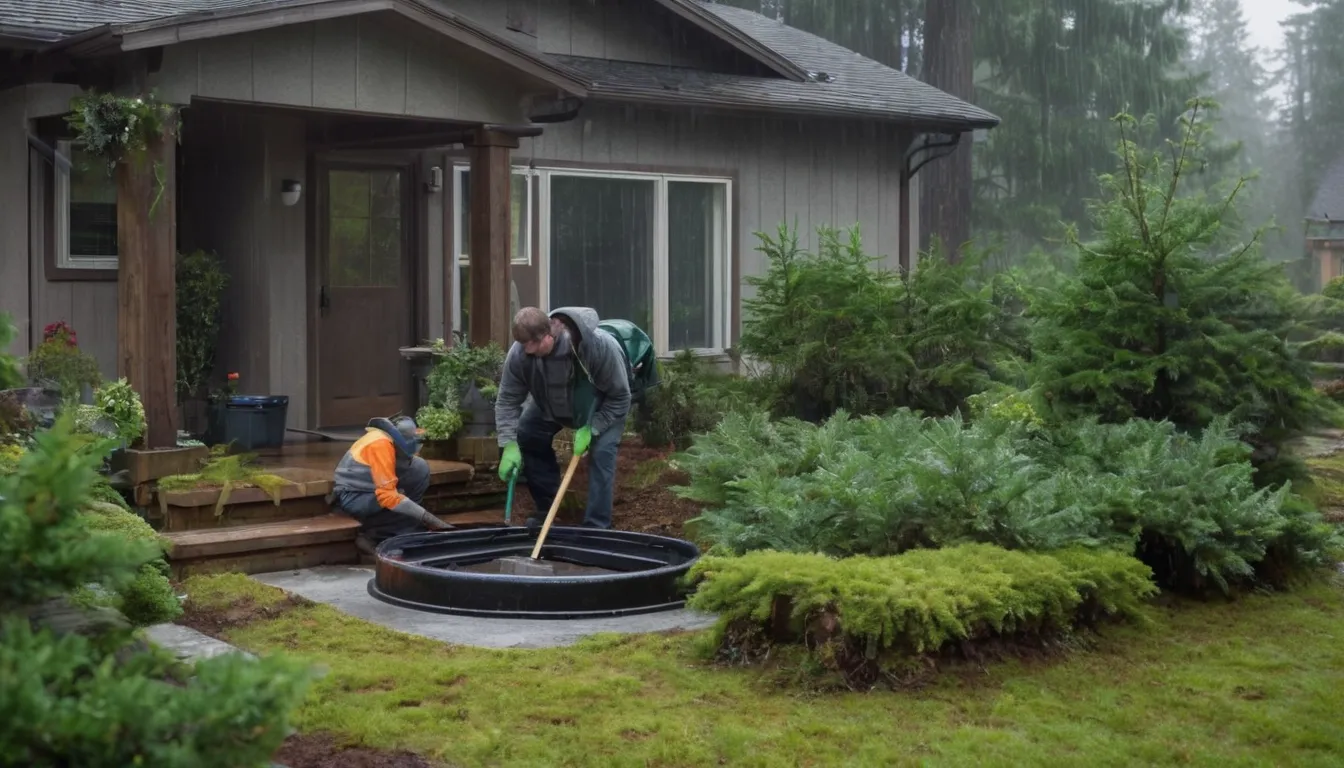
Say you come home to a gurgling shower drain and a damp, smelly patch in the yard. That is often how septic trouble starts. The tank, the pipes or the drainfield may be struggling, and each day can add to the damage. Waiting rarely makes the problem smaller.
Chronicproducts Septic is a referral service. We connect homeowners in the Seattle area with independent septic providers in our network. The provider inspects the system, explains what failed, and gives a written quote. Start with photos and notes, and the visit goes smoother. You can also ask about pumping, pipe repair, or drainfield work, and compare the options in writing before you decide. Use the request form to get started, with no obligation.
Say you come home after a week of steady rain. The shower drains slowly. A faint rotten smell hangs near the back door. You tell yourself it can wait. This page shows what tends to happen next, and why timing changes everything.
What the First Hours Can Look Like
Early signs are small. Water takes longer to leave the sink. The toilet gurgles when the washer runs. Nothing has overflowed, so it is easy to shrug off.
Hour one: slow drains and gurgles
Gurgling often means air is fighting past a clog or a full line. Notice which fixtures act up. Write down the time. Notes before estimates make the first visit faster.
The first day: smells and wet ground
By morning, you may smell sewage outside. Grass over the drainfield may look greener than the rest of the lawn, or the ground may feel spongy. In a long wet season, soil that is already soaked cannot take more water, so a weak system slips quickly.
Days two and three: backups
Now wastewater looks for the easiest way out. That is often a drain set near floor level, like a tub or floor drain. Wastewater indoors is a health risk. Keep kids and pets away and cut back on water use.
Common Septic System Problems
A repair starts with finding the real cause. Here are the usual ones.
A tank that is full or cracked
A full tank sends solids toward the drainfield. A cracked tank can leak or let groundwater in. Wood-frame homes with older systems see this more often.
Clogged or crushed pipes
Roots, grease and heavy vehicles can block or flatten the lines. Water backs up toward the house instead of flowing out.
Broken baffles and filters
These parts keep solids in the tank. When they fail, sludge can slip into the drainfield and clog the soil.
Pump and float trouble
Some systems use a pump. A stuck float or burned-out motor can leave wastewater with nowhere to go.
How a Septic Repair Works
A provider usually begins by locating the tank and checking the water level. They look at the inlet and outlet, the baffles, and the lines. Some use a camera or dye to trace the problem.
Then you get a plan and a written quote. Smaller fixes, like replacing a baffle or clearing a line, can be quick. Bigger jobs may need permits, and local rules vary.
Emergency Septic Cleaning Comes First
If wastewater is backing up, a provider may suggest emergency septic cleaning before any repair. Pumping lowers the pressure and gives them a clear look inside. Septic tank pumping alone will not fix a broken part, but it often buys safe time.
Drainfield Repair and Replacement
The drainfield is where treated water soaks into the ground. When it fails, you may see pooling water, odors, or backups that return soon after pumping.
Drainfield repair can mean clearing clogged lines, fixing broken pipes, or resting one section while another works. If the soil is worn out, a provider may talk about replacing part or all of the field. Ask what caused the failure so it does not repeat.
Repair or Replace?
Imagine two homes with the same smell. One has a cracked pipe. The other has a field that has been soaked for years. The first is a small repair. The second may be a big project.
A provider weighs the age of the system, the number of repairs, the soil, and local rules. Ask for both options in writing, with a plain explanation of each.
When a Well Is Nearby
If your property has a private well, a septic failure matters more. Wastewater can reach groundwater. Tell the provider about the well. They may suggest water well service or testing, usually from a separate specialist, once the septic problem is fixed.
Get Your Paperwork Ready
Picture a provider arriving and asking, "When did this start?" You will be glad you wrote it down. Start with photos.
- Photos of wet spots, stains, and any backup, with dates
- A short list of which drains are slow and when
- Past pumping or repair records, if you have them
- A rough map or note of where the tank sits
Some policies may cover sudden damage, so check your policy. Providers can often help document damage for a claim. Keep every quote and receipt together.
Protect the System After the Repair
A fixed system still needs care. Spread out laundry loads. Keep grease, wipes and paint out of the drains. Do not park on the drainfield. Keep tree roots away. Pump the tank on the schedule your provider suggests.
Questions to Ask the Provider
Before work starts, ask these:
- What exactly failed, and can you show me?
- Is a permit needed, and who handles it?
- What is included in the written quote?
- How long will the work take, and will the yard be disturbed?
- What should I watch for afterward?
A clear answer to each is a good sign.
Taking the Next Step
Timing changes everything with septic trouble. A small fix this week can stop a large one next month. Use the request form, or request a callback to check provider availability in your area.
What's Included
System Inspection
A provider checks the tank, baffles, lines and drainfield to find what is really causing the problem.
Written Repair Plan
You get a clear explanation and a written quote before work begins.
Targeted Repairs and Parts
Providers can fix broken pipes, baffles, pumps and other worn parts.
Drainfield Repair Options
Providers can explain whether a field needs cleaning, partial repair or replacement.
Typical Septic Repair Costs
These are typical U.S. ranges. Your price depends on access, soil, local permits and how much is damaged. Always get a written quote before work begins.
| Item | Typical range | Notes |
|---|---|---|
| Inspection or camera check | $150 – $650 | Helps find the cause |
| Baffle or filter repair | $300 – $900 | Often a small job |
| Pipe or line repair | $500 – $3,000 | Depends on depth and length |
| Pump or float replacement | $500 – $2,000 | For systems with a pump |
| Drainfield repair | $2,000 – $10,000 | Varies with soil and size |
| Full system replacement | $8,000 – $30,000 | Permits and design add cost |
How It Works
Note the Signs
Take photos of wet ground, stains or backups, and write down which drains act up and when.
Reach Out
Request a callback or use the request form to be matched.
Provider Inspects the System
A local provider checks the tank, lines and drainfield for the cause.
Review the Written Quote
Compare your options, ask questions, then approve the repair you choose.
Why Call Chronicproducts Septic
Independent Local Providers
Providers in our network are local businesses that know area soil, rain and housing.
Honest Referral
We connect you with a provider. The provider does the work and sets the price.
Ready Records
Notes and photos help providers give clearer quotes.
No Obligation
Request an estimate and decide what to do next.
Other Services
Need septic system repair in Seattle?
Tell us what you are seeing and where. Request an estimate and a local provider from our network can follow up with next steps.
Septic System Repair FAQ
How do I know if my septic system needs repair?
Common signs are slow drains, gurgling, sewage smells, and soggy or unusually green ground over the drainfield. Backups inside the house mean you should contact a provider soon and limit water use.
Can a septic system be repaired without replacing it?
Often yes. Cracked pipes, broken baffles and failed pumps are common fixes. Only a badly failed drainfield or tank may need replacement. A provider can explain your options in writing.
Will insurance cover septic repair?
Some policies may cover sudden damage, but wear and neglect are often excluded. Check your policy, and keep photos and notes. Providers can often help document damage for a claim.
Tell us what happened
Tell us what you are seeing and where. Request an estimate and a local provider from our network can follow up with next steps.
No obligation