Septic Tank Pumping for Homeowners in Seattle
Request an estimate from a local provider
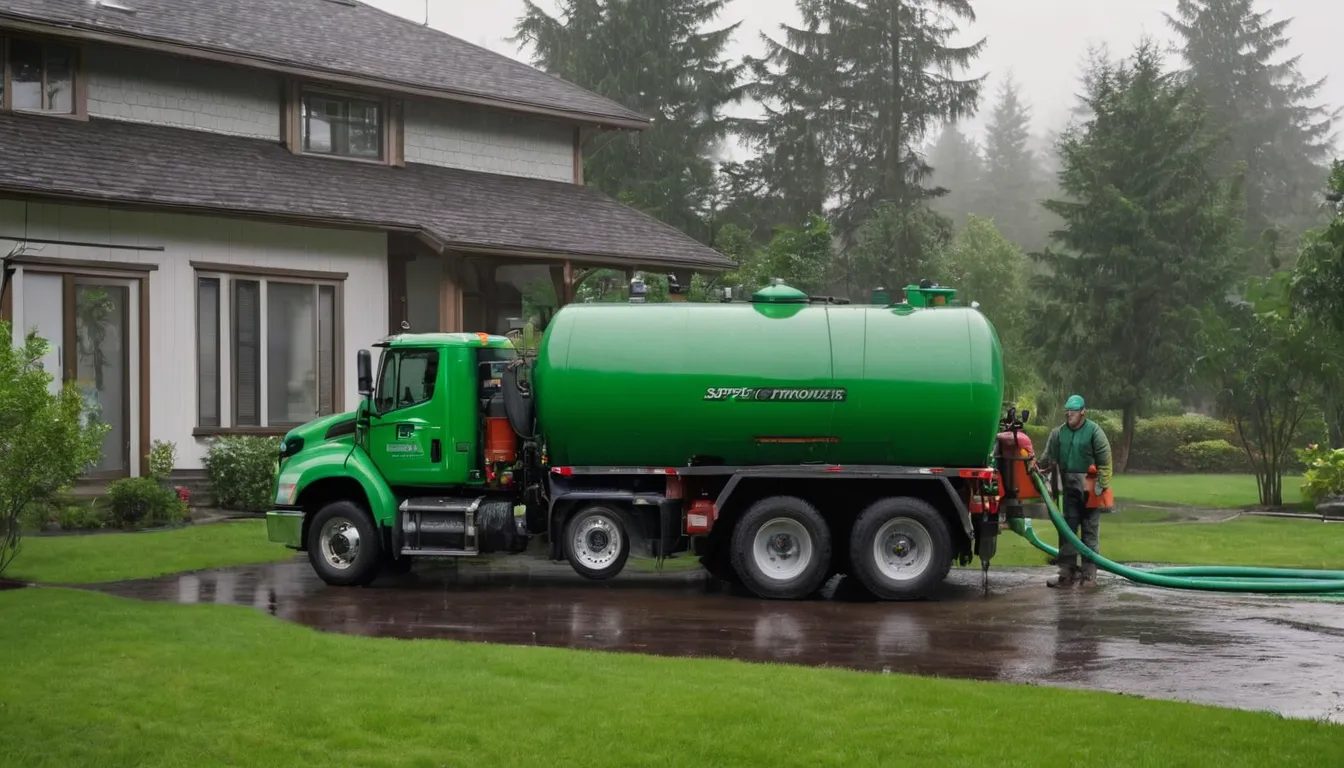
Say you come home and the shower drains slowly, the toilet gurgles, and the lawn near the tank feels soggy. Those are common signs that a septic tank is full. Pumping removes the sludge and scum that build up over time, so wastewater has room to move through the system again.
Chronicproducts Septic is a referral service. We connect homeowners in the Seattle area with independent providers in our network who handle septic tank pumping, emergency septic cleaning, and basic system checks. The provider does the work. This page explains what happens as a tank fills, what a visit looks like, and how to get your photos and notes ready.
Start With What You See
Say you come home after a long week of rain. The kitchen sink drains slowly. The toilet makes a gulping sound. Outside, one patch of grass looks greener and wetter than the rest.
That is a classic picture of a tank near its limit. Start with photos. Take a few of the drains, the damp spot, and the lid area if you can find it safely.
The First Hours: Slow Drains and Gurgles
In the first hours, the signs are small. Water leaves a tub more slowly. Air bubbles up in a nearby drain. You may think it is a simple clog.
If only one drain is slow, a clog is likely. If several drains are slow at once, the tank or the line leaving it may be the cause.
The First Days: Smells and Soggy Ground
Give it a few days and the signs get louder. A sewage smell can show up near the tank or the drainfield. Wet ground may stay soft even when it has not rained. In a long wet season, soil already holds a lot of water, so the yard can show trouble sooner.
Write down what you notice and when. Notes before estimates make the provider's job easier.
The First Weeks: Backups and Drainfield Risk
If a full tank is left alone, solids can slip past the tank and clog the drainfield. This is when a simple pumping can turn into drainfield repair. A backup into a tub or floor drain is the point where most homeowners reach out for emergency septic cleaning.
Timing changes everything here. A pump-out costs far less than replacing soil that has clogged.
Backup Inside the House: What to Do
If wastewater is coming up inside, take these steps:
- Stop using water. Skip the laundry, dishwasher, and showers.
- Keep children and pets away from the wet area.
- Take photos of the damage before cleanup.
- Ask a provider about emergency septic cleaning.
Many providers can respond quickly, but availability varies. Request a callback to check provider availability.
Why Regular Pumping Matters
A septic tank is a settling chamber. Heavy solids sink. Grease and light solids float. The middle layer of water flows out to the drainfield. Over time, the solids layers grow and leave less room for water.
Pumping resets the tank. It also helps protect the drainfield, which is the costliest part of the system to replace.
How Often Should You Pump?
Many households pump every three to five years. Your schedule depends on tank size, the number of people in the home, and how much water you use. A large family with a small tank may need pumping more often. A couple with a large tank may wait longer.
A provider can measure sludge levels and suggest a schedule that fits your home.
What Happens During a Pumping Visit
The provider finds the tank and opens the lid or lids. A truck with a vacuum hose removes the contents. Many providers check the baffles, the inlet and outlet pipes, and the water level. Some will note cracks, roots, or signs of backflow from the drainfield.
Ask what the provider saw. Write it down.
Older Homes, Crawl Spaces, and Newer Townhomes
Older craftsman houses may have older tanks, buried lids, or little paperwork. Wood-frame homes with crawl spaces can hide damp spots and leaks under the floor. Newer townhomes may share or have smaller systems. If you do not know where your tank is, a provider can often locate it.
Wells and Septic Together
If your home uses a well, your septic system and water source need to stay a safe distance apart. If the tank backs up or the drainfield floods, ask about water well service and testing as well. A provider in our network may be able to point you in the right direction.
Paperwork That Helps
Keep a simple folder. Include:
- Dated photos of symptoms
- Notes on when each sign started
- Past pumping receipts
- Any sketch or map of the tank
Some policies may cover sudden damage, but routine pumping is usually maintenance. Check your policy. Providers can often help document damage for a claim.
Buying or Selling a Home
A septic inspection often includes pumping so the inspector can see inside the tank. Sellers with a recent pump record may feel more prepared. Buyers can ask for past service papers.
Caring for Your System Between Pumpings
- Spread laundry loads through the week.
- Flush only toilet paper and human waste.
- Keep grease and wipes out of the drains.
- Keep cars and heavy equipment off the drainfield.
- Keep roots and downspouts away from the area.
Questions to Ask the Provider
- Is the quote in writing, and what does it include?
- Will the inspection cover baffles and filters?
- Can you mark the lid location for next time?
- What size is the tank?
- What should I watch for in the weeks ahead?
What's Included
Tank Pumping
A provider uses a vacuum truck to remove sludge, scum, and wastewater so your tank has room again.
Baffle Check
Many visits include a look at the inlet and outlet baffles for damage or blockage.
Emergency Septic Cleaning
If wastewater is backing up indoors, some providers can help clean and clear the affected tank and lines.
Lid Location
Providers can often find buried lids and help you note where they are for future visits.
Typical Septic Pumping Costs
Prices in the U.S. vary by tank size, access, location, and how full the tank is. These ranges are typical, not quotes. Ask each provider for a written quote before work begins.
| Item | Typical range | Notes |
|---|---|---|
| Standard pump-out (1,000 gal) | $300 – $600 | Common for smaller homes |
| Larger tank (1,500+ gal) | $450 – $900 | More volume, higher cost |
| Emergency septic cleaning | $500 – $1,200 | Backups and urgent jobs often cost more |
| Lid or riser exposure | $75 – $300 | Needed when the lid is buried |
| Tank inspection | $100 – $500 | Often paired with pumping |
| Filter cleaning | $50 – $150 | If your system has an outlet filter |
How It Works
Start With Photos
Take pictures of slow drains, wet ground, and any backup. Add notes on when each sign began.
Request an Estimate
Use the form to share your details and get matched with a local provider.
Compare Written Quotes
Ask what is included, such as inspection, lid access, and disposal.
Schedule and Keep Notes
Keep the receipt, tank size, and any findings in your folder for next time.
Why Call Chronicproducts Septic
Protect Drainfield
Pumping on time keeps solids out of the drainfield, which is usually the costliest part of a septic system.
Avoid Backups
A tank with room is less likely to push wastewater back into your home.
Spot Problems
A tank visit can reveal cracks, root intrusion, or failing baffles before they spread.
Keep Records
Receipts and notes help with estimates, home sales, and insurance talks.
Other Services
Need septic tank pumping in Seattle?
Tell us what you are seeing and where. Request an estimate and a local provider from our network can follow up with next steps.
Septic Tank Pumping FAQ
How do I know if my septic tank is full?
Common signs include slow drains, gurgling pipes, sewage smells, and soggy ground near the tank or drainfield. If several drains act up at once, a full tank is a likely cause.
How often should a septic tank be pumped?
Many homes need pumping every three to five years. Tank size, household size, and water use all matter, so ask a provider to suggest a schedule for your system.
Does homeowners insurance cover septic pumping?
Routine pumping is usually maintenance and often not covered. Some policies may cover sudden damage, so check your policy and keep photos and records.
Tell us what happened
Tell us what you are seeing and where. Request an estimate and a local provider from our network can follow up with next steps.
No obligation